
Good vision is important, but healthy eyes involve much more than seeing clearly. Some eye conditions develop gradually without noticeable symptoms, making regular eye examinations an essential part of preventive healthcare. A comprehensive eye exam can help identify changes in vision and detect potential eye problems before they significantly affect daily life.
What Happens During a Comprehensive Eye Exam?
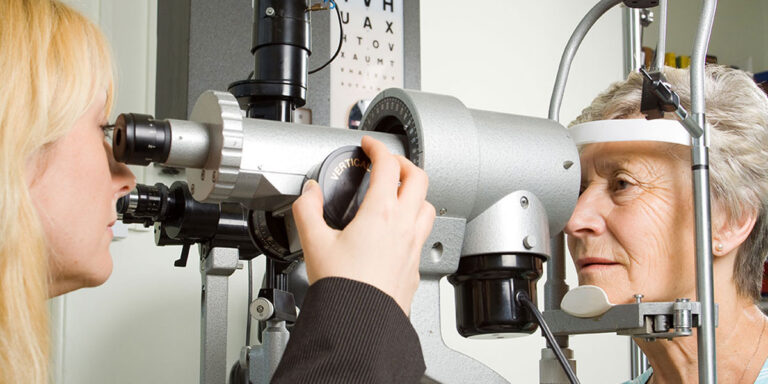
A comprehensive eye examination involves more than checking whether you need glasses. Your optometrist evaluates several aspects of your vision and eye health based on your age, medical history, symptoms, and individual risk factors.
Your appointment may include:
- Visual acuity testing: Measures how clearly you see objects at different distances.
- Prescription assessment: Determines whether you need glasses or an updated prescription.
- Eye coordination testing: Evaluates how well both eyes work together and focus.
- Eye pressure measurement: Helps assess the risk of glaucoma when appropriate.
- Examination of eye structures: Allows your optometrist to assess the retina, optic nerve, and other parts of the eye for signs of abnormalities.
Additional testing may be recommended depending on your clinical needs.
Why Is Early Detection Important?
Certain eye conditions, including glaucoma and some retinal diseases, may progress without obvious early warning signs. Comprehensive examinations can help identify suspicious changes and determine whether further investigation or treatment is necessary.
An eye exam may also reveal findings associated with broader health concerns, such as diabetes or high blood pressure. Although an eye examination does not replace general medical care, it can provide valuable information about your health.
Children may benefit from eye exams that identify vision difficulties affecting reading and learning. Adults can receive guidance about prescription changes, screen-related discomfort, and age-related eye conditions. Seniors may need closer monitoring for cataracts, glaucoma, and macular degeneration.
How Often Should You Book an Eye Exam?
The appropriate frequency depends on your age, eye health, medical history, and risk factors. Your optometrist can recommend a schedule tailored to your needs. Do not wait for blurred vision or discomfort before arranging routine care.
Schedule Your Eye Exam with Envision Optometry
Envision Optometry provides eye care at three convenient British Columbia locations:
- Abbotsford: 1127 Sumas Way | 604-864-6451
- Port Coquitlam: 2370 Ottawa St | 604-464-7240
- Surrey: 7423 King George Blvd | 778-294-3937