Eye infections are common, but they should never be ignored. Whether caused by bacteria, viruses, fungi, or allergens, an untreated eye infection can lead to discomfort, vision problems, and, in severe cases, permanent damage to your eyesight. Recognizing the early warning signs and seeking prompt treatment can help protect your vision and prevent complications.
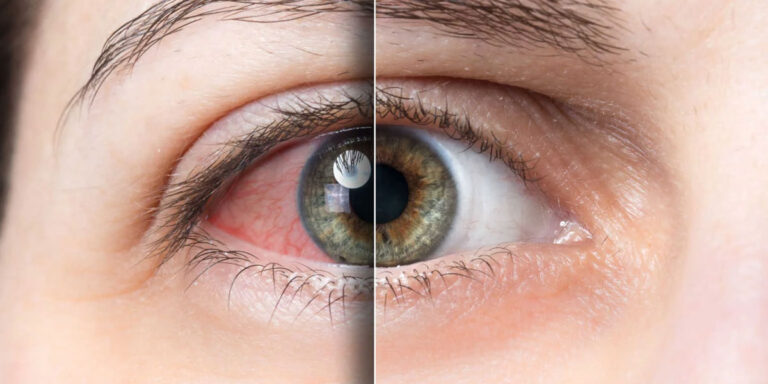
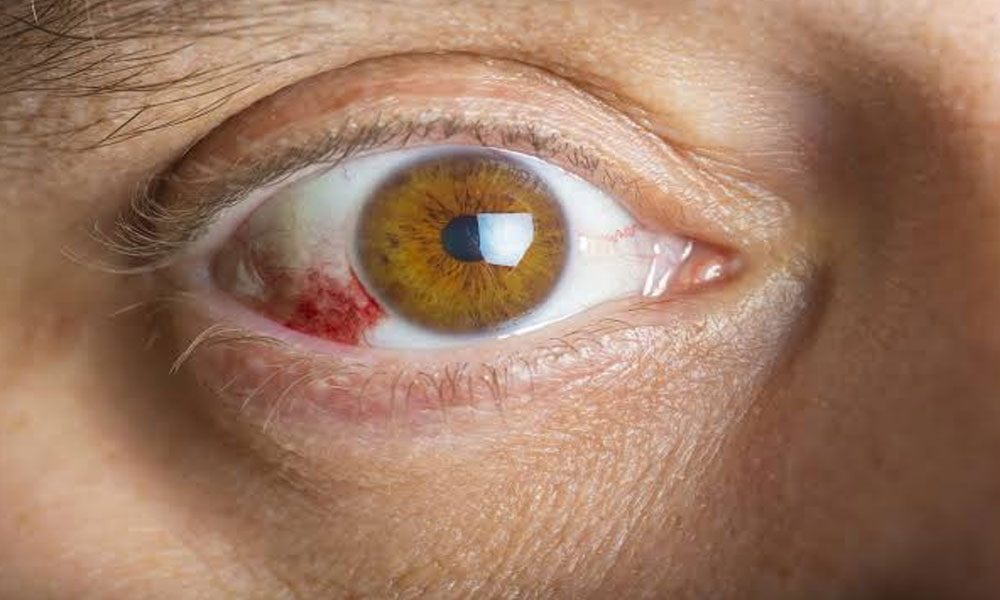
One of the most noticeable symptoms of an eye infection is redness that doesn’t improve after a day or two. While occasional redness may result from irritation or allergies, persistent redness accompanied by pain or swelling should be evaluated by an eye care professional.
Another common sign is eye discharge. Thick yellow, green, or white discharge that causes your eyelids to stick together-especially after sleeping-may indicate a bacterial infection such as conjunctivitis (pink eye). Watery discharge, on the other hand, is often associated with viral infections or allergies.
You should also pay attention to eye pain, light sensitivity, blurred vision, or a gritty sensation. These symptoms may signal a more serious condition involving the cornea or deeper structures of the eye and require immediate professional care. Wearing contact lenses while experiencing these symptoms can increase the risk of complications and should be avoided until your eyes have been examined.
Additional warning signs include swollen eyelids, excessive tearing, itching, or the feeling that something is stuck in your eye. Although these symptoms may seem minor at first, they should not be ignored if they persist or worsen.
Practicing good eye hygiene can help reduce the risk of infections. Wash your hands before touching your eyes or handling contact lenses, avoid sharing eye makeup or towels, replace old cosmetics regularly, and follow your optometrist’s instructions for proper contact lens care.